If you are looking for the Upanishads online in Hindi, you can find several reading platforms, digitized books, and ebook libraries. The most useful approach is to first understand what the Upanishads are, then check the edition, translator, and source text before relying on any online version. The Upanishads are philosophical and spiritual texts traditionally counted as part of the Vedas, and they are usually known as Vedanta, the ‘end’ or concluding portion of the Vedas. Online Hindi versions can help you read them, but each edition should be checked for its Sanskrit base, translation method, commentary, and verse numbering.

This guide explains the basic meaning of the term Upanishad, how the texts are counted and grouped, why their dating is disputed, what to check in online Hindi editions, and how to read them with respect for different traditions. It does not present any one interpretation as the only correct reading. Where sources describe a claim, the claim is attributed to the source or tradition that makes it.
What the Upanishads are
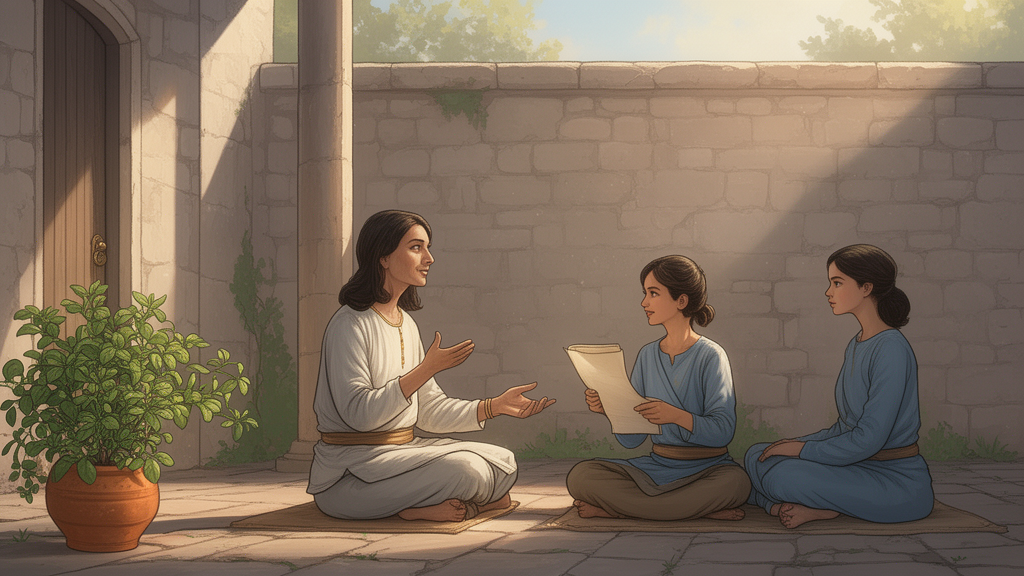
The Upanishads are generally described as the concluding parts of the Vedas. The Hindi reading platform Vedapath describes them as the concluding portions of the Vedas, known as Vedanta, meaning the end of the Vedas. The same source explains that they contain teachings on the nature of the self (Atman), ultimate reality (Brahman), the relation between the individual and the cosmos, and the path to liberation (Moksha). Vedapath’s Upanishad section presents these as its general overview of the texts, and that framing is a summary by a modern platform rather than a primary text.
Mahakavya, another Hindi reading site, describes the Upanishads as Shruti scriptures within Sanatan tradition and notes that they are also called Vedanta. Its 108-Upanishad page in Hindi makes this point in the introduction to its list of texts.
Many readers meet the Upanishads as dialogues. The word is often explained through the sense of sitting near a teacher, and Vedapath uses that explanation in its introduction. This is a commonly repeated etymological explanation; scholars discuss several derivations, so treat it as a traditional or popular explanation rather than a settled philological conclusion.
What the word ‘Upanishad’ means
The Hindi-language reading site Mahakavya gives a traditional breakdown of the word. It says that ‘Upanishad’ is formed from the prefixes ‘upa’ and ‘ni’ with the verb root ‘sad’, with the suffix ‘kvip’ added. The same page lists three meanings of the root ‘sad’: destruction or loosening (vishaarana), attainment or movement (gati), and exhaustion or weakening (avasadana). It then says that the derivation gives only the etymological sense; the technical sense is ‘adhyatma vidya’, the knowledge of the self.
Mahakavya also cites Shankaracharya’s view that the main meaning of ‘Upanishad’ is Brahmavidya, knowledge of Brahman, while a secondary meaning is a text that teaches this knowledge. This is a claim from the commentarial tradition associated with Shankara, and it is presented here as tradition, not as a neutral finding of modern scholarship.
For a beginner, the practical point is simple. The word points to a body of teaching about the self and ultimate reality, not only to a single book with one message. That is why the Upanishads are usually studied as a group, with attention to their different schools, Vedic branches, and commentaries.
How many Upanishads are there?
Most online Hindi lists describe 108 Upanishads, but the number needs context. Mahakavya states that the total number of Upanishads is 108, and its Hindi page lists them. The same page also says that most scholars treat 13 Upanishads as the principal (mukhya) Upanishads, and it lists them: Ishavasya, Kena, Katha, Prashna, Mundaka, Mandukya, Taittiriya, Aitareya, Chandogya, Brihadaranyaka, Shvetashvatara, Kaushitaki, and Maitrayani.
Vedapath uses a different count. Its page is titled ‘Upanishads in Hindi’ and describes 60 Upanishads available on that platform, grouped by categories such as Mukhya (Principal), Yoga, Vedic (General), Shaiva, Sannyasa, and Shakta and Vaishnava. This difference is useful for readers. A website’s total depends on which texts it chooses to include and how it classifies them. A site listing 60 texts is not contradicting a site listing 108; the two lists are built differently.
The distinction between principal and other Upanishads is also important. Vedapath says the Mukhya Upanishads are those recognized by Adi Shankaracharya, and that sectarian Upanishads include Yoga, Shaiva, Vaishnava, and Shakta texts. This description comes from that platform’s classification. Other traditions and scholars may group texts differently, so the classification should be read as one useful map.
When were the Upanishads composed?
The dating of the Upanishads is disputed. Mahakavya reports that some Western scholars date the Upanishads to roughly 700 to 600 BCE. It also reports that Lokmanya Bal Gangadhar Tilak argued, on astronomical grounds, that the composition period should be placed around 1900 BCE. Mahakavya adds that, according to Tilak and scholars who followed his view, some of the Upanishads commented on by Shankaracharya appear very old.
This is a case where readers should not treat one date as final. The page itself presents these as differing scholarly positions. Dating an ancient text involves questions about manuscripts, language, internal references, and external evidence, and scholars do not all agree on the same method. If you need a date for an article, a school assignment, or a lecture, check a university or academic source and state the uncertainty.
The Upanishads are also described as part of Shruti, the body of revealed or heard knowledge in some traditions. That religious claim belongs to tradition and belief. A historian may study the same texts through manuscripts and language history. Both approaches can be valid, but they answer different questions.
What to check in an online Hindi Upanishad
Online Hindi Upanishads come in different forms. Some are reading platforms with Sanskrit text, transliteration, and translation. Some are digitized books uploaded to archives. Others are ebook pages with library information and file details. Each form needs different checks.
Check the source text and edition
A Hindi translation is only as reliable as the Sanskrit base and the edition behind it. Look for the Upanishad’s name, the Veda it is associated with, and whether the page identifies the Sanskrit text used. Vedapath lists each text with its Veda, category, and verse count. For example, its page lists the Adhwayataraka Upanishad as a Yoga text linked with the Atharva Veda and containing 19 verses, and its Adhyatma Upanishad as a Yajur Veda-linked text containing 70 verses. These are platform details, so compare them with a printed or scholarly edition when accuracy matters.
Check the translator and commentary
Some Hindi editions are translations, while others include bhashya, or commentary. A commentary may come from a specific tradition, such as an Advaita reading associated with Shankara, a Vaishnava reading, or a modern teacher’s explanation. Read the commentary as commentary, not as the bare text. Archive.org has digitized Hindi Upanishad items, including titles such as ‘108 Upanishada Hindi’ and a Hindi edition titled ‘108 Upanishads Hindi Bhashya Sahit’. The archive pages I inspected show catalog information, but the readable content was not confirmed in this review, so a reader should open the item and check the edition, translator, and scan quality before relying on it.
Check whether the text is machine translated
Some book pages include machine-translated excerpts. For example, the ePustakalay page for a 108 Upanishad book by Shri Ram Sharma Acharya includes a note that the excerpt is machine translated. That is a useful warning. Machine-translated Hindi can make a sentence unclear, change technical terms, or lose the force of a Sanskrit word. If a passage seems odd, compare it with a second Hindi edition and, if possible, the Sanskrit text.
Reading the Upanishads by category
The Upanishads are not all the same kind of text. Some are short and compact, some are long prose dialogues, and some are later texts associated with yoga, renunciation, or sectarian devotion. Vedapath’s categories are a practical way to organize your reading. They include Mukhya, Yoga, Vedic General, Shaiva, Sannyasa, and Shakta and Vaishnava texts.
Principal Upanishads
The principal group is the most common starting point. Mahakavya lists the 13 principal texts that most scholars include in this group, and Vedapath describes the Mukhya Upanishads as the ones recognized by Adi Shankaracharya. Readers often begin with a short principal Upanishad, such as the Isha or Mandukya, and then move to longer prose texts. Because lists differ, a new reader should not assume that every collection contains exactly the same principal texts.
Yoga Upanishads
Vedapath describes the Adhwayataraka Upanishad as a compact text in the yoga tradition. Its summary says that the text treats yoga not only as technique but as a path that leads to liberation, while treating yogic powers and sensory experiences as signs rather than the final goal. This description is a platform summary of the text, so if you are studying yoga history or practice, compare it with a scholarly study of yoga Upanishads.
Aitareya and the Mahavakya tradition
Vedapath associates the Aitareya Upanishad with the Rigveda and the Aitareya Aranyaka. It describes the text as using a creation account as a teaching sequence, moving from the original self to worlds and powers, then to the human body, and finally to recognition of the self. The same page mentions the phrase ‘Prajnanam Brahma’ as a famous mahavakya, a great saying, associated with this text. Mahavakyas are often discussed in Advaita Vedanta as important teaching statements, but readers should treat their meaning as tradition-based interpretation rather than as a neutral summary of the whole Upanishad.
Sannyasa, Shaiva, Shakta, and Vaishnava texts
Later and sectarian Upanishads often reflect specific communities or ascetic practices. A reader should not expect them to speak with one voice. A text about renunciation may give rules for a sannyasi, while a Shaiva or Vaishnava text may frame divine reality through a particular deity and devotional context. Mahakavya’s pages list such works, including Nirvana, Kaivalya, Garbha, Garuda, and other titles, but the classification of each text should be checked against an edition or scholarly reference.
Reading with tradition and scholarship in view
The Upanishads are studied in several ways. A devotee may read them as revealed wisdom. A commentator may read them through the lens of a particular school. A historian may ask how the texts developed, which manuscripts survive, and how language and content changed over time. An online reader often moves among these approaches without noticing. Good reading means identifying which approach is being used.
Scripture, commentary, and modern explanation
When you read an online Hindi Upanishad, separate three layers. The first is the scripture: the Sanskrit text and its translation. The second is the commentary, which may be traditional or modern. The third is the website or author’s explanation. A sentence such as ‘the Upanishad teaches that the self is Brahman’ may describe the teaching of a particular commentary or school. It should not be treated as the only meaning of every passage.
Belief, text, tradition, and history
Many Hindus revere the Upanishads as part of a living religious heritage. That devotional relationship is important and should be described respectfully. At the same time, the texts also have manuscript histories, language histories, and scholarly debates. A devotional reading and a historical reading can coexist, but they should not be presented as the same kind of claim.
Regional and community differences
Hindi readers are not one audience. People in different regions, families, and sampradayas may read the same Upanishad with different teachers, commentaries, and rituals. Some communities may focus on Advaita philosophy, while others may emphasize devotional, yogic, or ritual contexts. A website can help you read a text, but it cannot settle all differences of practice.
A practical method for reading online
If you are new to the Upanishads, a simple method can help. Read slowly, compare more than one edition when possible, and keep notes on terms and commentary. The steps below are an orderly way to begin.
- Choose one short text. Begin with a compact Upanishad such as the Isha or Mandukya, rather than trying to read a long prose text first. Vedapath and Mahakavya both list Upanishads by name, so choose one with a clear edition.
- Check the edition. Confirm the Sanskrit base, translator, and whether the page includes commentary. If the page does not identify these, treat it as less reliable.
- Read the Hindi translation first. Note unfamiliar terms such as Atman, Brahman, Maya, Moksha, and Avidya, and check whether the translator explains them.
- Compare a second source. Look at another Hindi edition, a printed book, or a Sanskrit text when possible. Watch for differences in wording, verse numbers, and interpretation.
- Separate the text from commentary. Mark which sentences come from the Upanishad and which come from a commentator or modern author.
- Record uncertainties. If two sources disagree on meaning, date, or verse count, write down both readings instead of forcing one answer.
For readers who want a broader overview of the group, the All Upanishad in Hindi draft can serve as a general starting point once it is published. For a short principal text, the Isha Upanishad Hindi draft is a relevant next step.
Examples of how the texts are read
Examples help show why edition and tradition matter. Consider the Aitareya Upanishad. Vedapath says that the text links creation, sense powers, mind, and intellect to the recognition of the self. A reader using only that summary might focus on the philosophical sequence. A reader using a commentary may focus more on the relation between the self and Brahman. Both readings draw from the same text but organize its teaching differently. You can explore the basic text in the Aitareya Upanishad in Hindi draft, while keeping Vedapath’s summary and any commentary separate from the text itself.
Consider also the Brihadaranyaka and Chandogya Upanishads. Both are often counted among the principal prose Upanishads in lists such as the one Mahakavya provides. Because they are long, many readers use a chapter-by-chapter plan rather than reading them in one sitting. The Brihadaranyaka Upanishad Hindi draft and the Chandogya Upanishad Hindi draft can be used for planning this kind of study, but the exact chapter divisions should be checked in the chosen edition.
Common mistakes when reading Upanishads online
Several mistakes are common. The first is treating a single website as the full authority. Websites differ in their selection, classification, and quality of translation. The second is assuming that all Upanishads are equally old or equally philosophical. Some are compact and philosophical, while others are later, sectarian, or practical. The third is treating a translated sentence as if it were a word-for-word quotation of the Sanskrit. A translation may be faithful, but it is still an interpretation.
A fourth mistake is overusing quotations from memory. If you quote a passage in a discussion, check it against the edition you are using and name that edition. A fifth mistake is ignoring the devotional context. For many readers, the Upanishads are not only academic texts. They are part of worship, study, teacher-student learning, and spiritual practice. Study does not have to be separated from devotion, but each should be identified clearly.
How HindusGod readers can use this guide
HindusGod’s Upanishad content is designed to be read as a series of linked guides. A reader may begin with a general overview, move to a particular text, and then compare related Upanishads by theme or length. This structure helps readers avoid treating all Upanishads as one undivided book. It also makes it easier to see where the texts differ.
For a Vedic prose text, the Brihadaranyaka Upanishad Online draft and the Chandogya Upanishad Online draft show how online study pages can be organized by text. For shorter sectarian or practical texts, the Kaivalya Upanishad in Hindi draft and the Katha Upanishad Hindi draft give other starting points. Each link leads to a WordPress draft from the HindusGod content list, and the owner should confirm publication status before promoting any of them.
Upanishads and the Atharva, Yajur, Rig, and Sama Vedas
Another way to organize the Upanishads is by Veda. Vedapath’s pages attach individual texts to the Rig Veda, Yajur Veda, Krishna Yajur Veda, and Atharva Veda. For example, the Adhyatma Upanishad is listed under the Yajur Veda, the Adhwayataraka under the Atharva Veda, and the Aitareya under the Rig Veda. This Veda-based grouping is useful for study, but it is also a classification used by one platform. Readers who want a scholarly account of Vedic branches should consult a standard academic reference.
Veda grouping can also help readers understand why some Upanishads appear with Brahmana or Aranyaka material. Vedapath’s description of the Aitareya Upanishad mentions the Aitareya Aranyaka. Such connections can help readers see the texts as part of a larger literature, not as isolated books.
Frequently asked questions
Can I read the Upanishads in Hindi online?
Yes. Several online platforms and digital archives offer Hindi Upanishad texts or translations. Mahakavya and Vedapath are examples of reading platforms, while Archive.org hosts digitized Hindi editions. Before relying on any version, check the Sanskrit base, translator, commentary, and whether the text is a machine translation.
How many Upanishads are there?
Mahakavya describes 108 Upanishads in its Hindi list and identifies 13 principal Upanishads that most scholars treat as central. Vedapath’s collection contains 60 Upanishads. The number depends on the list used and the way texts are classified.
Which Upanishad should a beginner read first?
A short principal text is often a practical starting point. The Isha Upanishad is one example, and the Mandukya Upanishad is another. Choose a Hindi edition that clearly identifies its source and translator, then compare it with a second edition if possible.
Are all Upanishads the same kind of text?
No. The Upanishads differ in length, style, date, and religious context. Some are philosophical dialogues, while others are yoga, sannyasa, Shaiva, Shakta, or Vaishnava texts. The category should be checked in a reliable edition or academic source.
Closing takeaway
Online Hindi Upanishads can open the door to these texts, but careful reading makes the difference. Start by understanding what the Upanishads are, how their number is counted, and why their dates are disputed. Then check the edition, translator, commentary, and source before treating a passage as settled. A good reader keeps the text, the tradition, the commentary, and the modern explanation distinct, and respects the devotional life of the communities that revere these works.
Sources and Further Reading
- Mahakavya, 108-Upanishad in Hindi. Used for the etymology of ‘Upanishad’, the count of 108 texts, the list of 13 principal texts, and the dating positions attributed to Western scholars and Tilak. Treat its etymological and classification statements as the site’s presentation.
- Vedapath, Upanishads in Hindi. Used for the general description of the Upanishads as the concluding portions of the Vedas, the categories of Upanishads, the 60 texts listed on the platform, and verse-count and Veda associations for selected texts.
- Mahakavya, Upanishad index. Used as a directory of Upanishad titles in Hindi and English. Its listing is not a substitute for checking a particular edition.
- ePustakalay, 108 Upanishad by Shri Ram Sharma Acharya. Used to show that this Hindi ebook page exists, to identify its author and page information, and to note that its excerpt is marked as machine translated.
- Internet Archive, 108 Upanishada Hindi. Used only to identify a digitized Hindi Upanishad item. Its readable contents were not verified in this review.
- Internet Archive, 108 Upanishads Hindi Bhashya Sahit. Used only to identify a digitized Hindi commentary edition item. Its readable contents were not verified in this review.