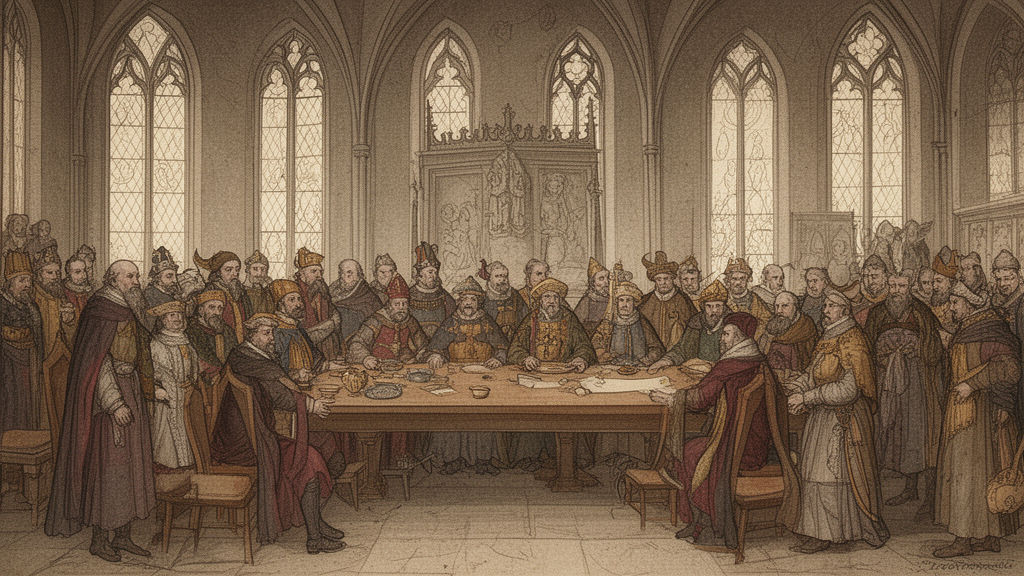
The Holy Roman Empire a Short History
A short, sourced history of the Holy Roman Empire, from its early medieval origins to its dissolution in 1806, covering its institutions, its decentralized structure, and how historians read it.
A short, sourced history of the Holy Roman Empire, from its early medieval origins to its dissolution in 1806, covering its institutions, its decentralized structure, and how historians read it.

The Holy Reich is the title of Richard Steigmann-Gall’s 2003 book on Nazi conceptions of Christianity. Learn what the term means and how to read it in context.
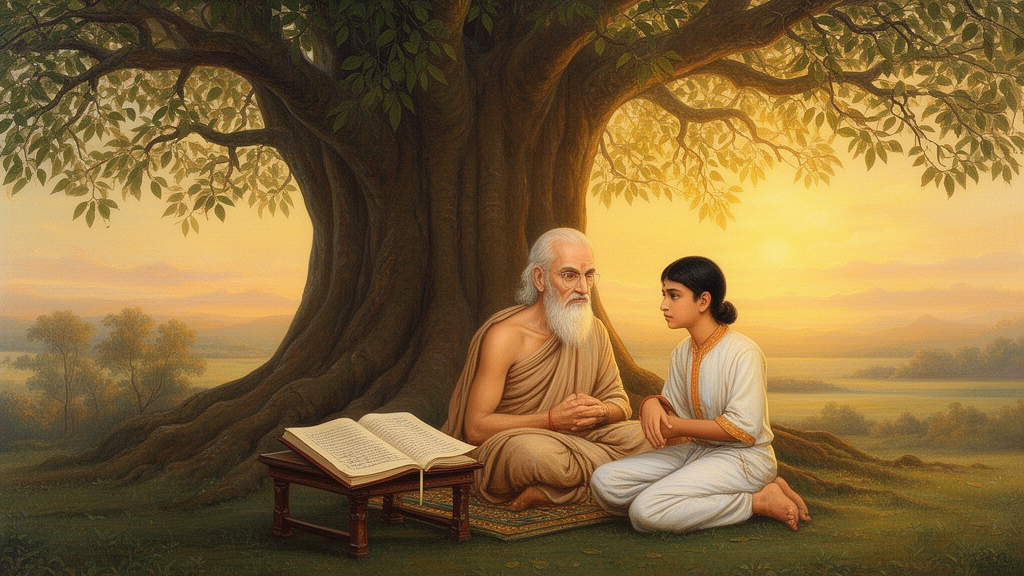
An introduction to the wisdom of the Upanishads: what these Sanskrit texts are, core ideas such as Brahman and Atman, key teaching stories, and how to study them with care.

A clear guide to the Yoga Shikha Upanishad: its Krishna Yajurveda and Atharvaveda links, the short and long versions, its Maha Yoga teaching, scholarly dating, and how to read it respectfully.

A sourced guide to the Yogashikha Upanishad, a Sanskrit Yoga Upanishad linked to the Krishna Yajurveda. Covers its meaning, two versions, dating views, and main themes.

A sourced guide to the Vedanta Sutra in ISKCON and Gaudiya Vaishnava thought: its structure, opening aphorism, introductions, commentaries, and how traditions read it differently.
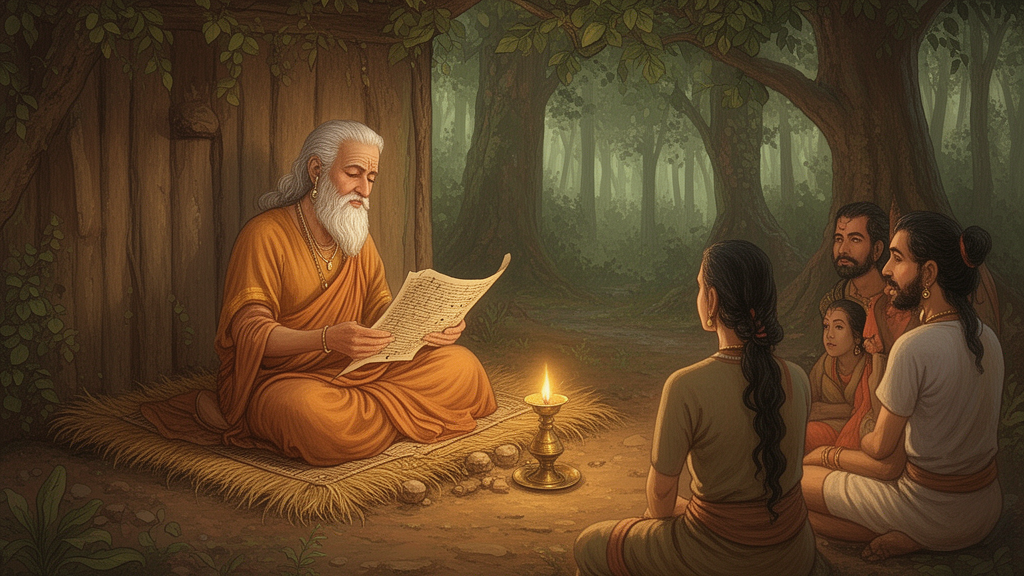
Learn how the Vedas, Itihasas and Puranas differ in Hindu tradition, what each category contains, how they relate, and how to separate scripture, tradition and historical scholarship.

What the Vedanta Sutra (Brahma Sutras) is, who it is traditionally attributed to, how its four chapters are organized, and how Vedanta schools read it differently.

A sourced guide to the thirty minor Upanishads: how the collection is grouped into Vedanta, Physiological, Mantra, Sannyasa, and Yoga texts, the 1914 English translation, and how to read them with care.
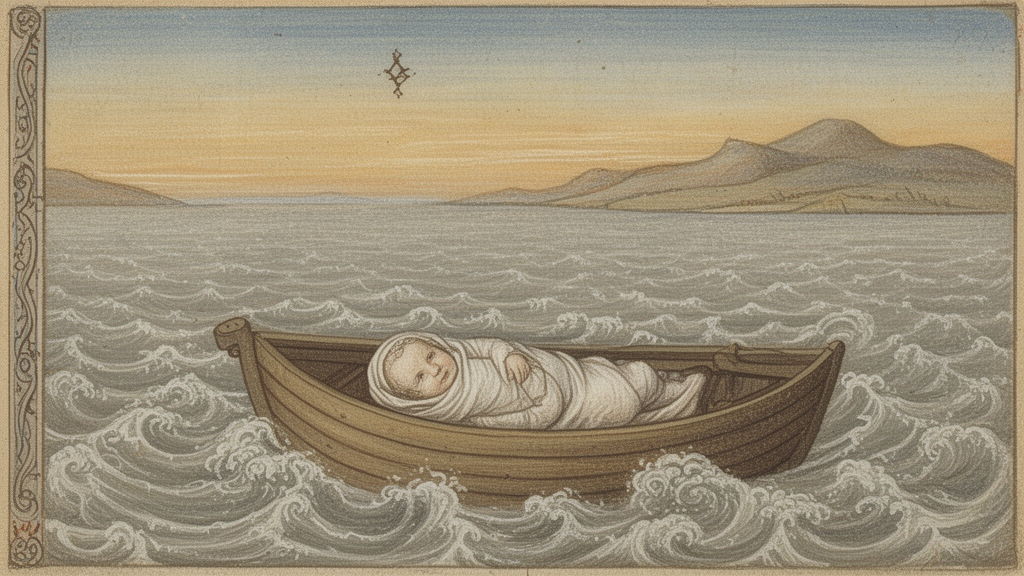
A sourced guide to Thomas Mann’s novel The Holy Sinner (Der Erwählte): its medieval source, plot, themes of sin and penance, editions, and how to read it.