Swami Samarth Vastu Shastra refers to Vastu Shastra, the traditional Indian system of building and space design, as it is presented by groups and practitioners who follow Shri Swami Samarth Maharaj. This article explains the basic idea of Vastu Shastra, who Shri Swami Samarth Maharaj is in the devotional tradition that honours him, and how Vastu-related teachings are described by several Swami Samarth-linked organisations. It also separates what those sources say from what can be independently verified, because much of the material available online is devotional or commercial rather than scriptural or academic.

Quick answer
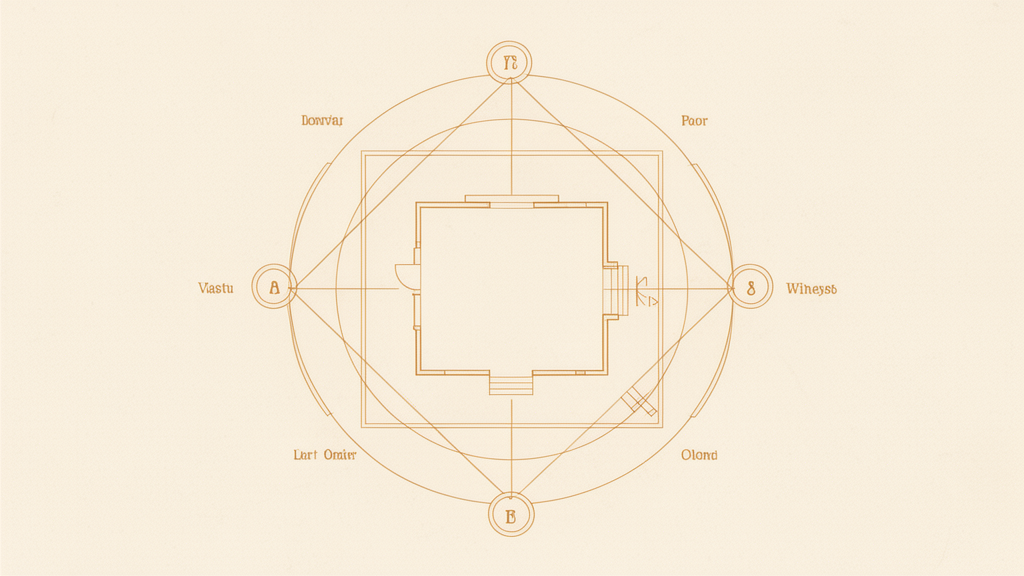
Swami Samarth Vastu Shastra is not a separate scripture. It is a way of applying Vastu Shastra within the devotional world of Shri Swami Samarth Maharaj. Followers generally treat Shri Swami Samarth Maharaj as a revered spiritual master, and several Swami Samarth-linked groups offer Vastu awareness, counselling, or consultation. One Swami Samarth-linked organisation states that its Vastushastra Cell aims to create awareness of Vastu Shastra, and that it suggests simple remedies and techniques that do not require structural changes or demolition of a house or office.
The core claims made by these groups are devotional and practical rather than historical proof. Traditional Vastu teachings describe directions, spatial arrangement, and the sacred character of a dwelling. Modern consultancy claims about energies, doshas, or guaranteed results are a different category, and this article treats them as claims that need qualification.
What Vastu Shastra means
Vastu Shastra is usually described as a body of knowledge about the arrangement of buildings and sites in relation to direction, proportion, and natural forces. The term is often explained through the Sanskrit root vas, meaning to reside. A consultancy document shared on Scribd explains the word Vaastu as deriving from this root, and it describes Vastu as a dwelling place for humans and gods. That document also describes Vastu Shastra as the applied aspect of Atharvaveda and as part of the heritage of building arts. This is one practitioner’s account. It is not a neutral academic summary, and the Atharvaveda connection should be checked against the Veda text and scholarly literature before being stated as established fact.
It is helpful to distinguish three things. The first is the traditional architectural and spatial vocabulary, such as directions, the central space, and the arrangement of entrances and rooms. The second is religious symbolism, such as the assignment of deities to directions. The third is modern consultancy, which may combine Vastu with astrology, numerology, planetary remedies, or energy language. Readers searching for Swami Samarth Vastu Shastra will meet all three, often on the same page.
Why the house is treated as sacred in some accounts
The Scribd document, which appears to be a consultancy brochure, says that in ancient India a house was not only a building project but also a sacred ceremony, and that the house was considered a living organism. It describes a spirit of the house called the Vaastu Purusha, and it assigns different directions and sectors to deities such as Brahma, Ishwara, Agni, Varun, Wind, Yam, and a demon figure. These details are widely discussed in Vastu literature, but this source does not cite a specific text, chapter, or verse for them. For a publication-ready article, these claims should be checked against a named Vastu or architectural text, or against a scholarly study of Vastu iconography, before being presented as scripture.
Who is Shri Swami Samarth Maharaj?
Shri Swami Samarth Maharaj is the central figure in the devotional tradition that is the context for this topic. The Shree Swami Samarth Gurupeeth website describes him as the complete divine incarnation of Lord Dattatreya and as a guide, master, caretaker, and protector for devotees. This is a devotional belief held by the organisation and its followers. It is not a claim that can be proved by historical method, and readers from other Hindu traditions may understand Dattatreya and Swami Samarth differently.
The same website states that in 1878 Shree Swami Samarth Maharaj outwardly took Mahasamadhi at Akkalkot, and that it is believed he continues to reside on the earthly plane. Mahasamadhi is a term used in many Hindu contexts for a saint’s conscious passing or departure from the body, and the phrase ‘outwardly took’ reflects the devotional wording of the source. Followers understand this as ongoing presence. Historians would normally describe the same event in terms of documented biography and later devotional records, which may vary in detail.
Swami Samarth and Vastu in the devotional context
Devotion to Shri Swami Samarth Maharaj is often expressed through worship, seva, and spiritual counselling. Within this setting, Vastu-related services are sometimes presented as an application of the guru’s blessing. For example, the Divine Samarth Vastushastra page says its approach is blessed through the divine grace of Shri Swami Samarth Maharaj and combines Vedic occult science, planetary wisdom, and intuitive perception. That page is commercial, so its wording reflects one practitioner’s presentation rather than a common standard across the tradition.
Because many Swami Samarth-linked groups operate in different countries and centres, practice may differ. Some present Vastu as architectural awareness and remedies without demolition, while others offer detailed consultancy with fees, map readings, or personal visits. Readers should not assume that every Swami Samarth community teaches Vastu in the same way.
How Vastu awareness is described by Swami Samarth-linked groups
The Vastushastra Cell page from Shree Swami Samarth Gurupeeth, USA describes its aim as creating awareness of Vastu Shastra. It says that Vastu Shastra is an ancient system of architecture and that worship and honour of the Lords of the eight directions are said to bring blessings in the form of success, health, and prosperity. The same page says that lack of knowledge, or unknowingly following certain patterns, can create what it calls Vastu doshas, which it links with illness, losses, stress, and misfortune.
These statements should be read as the organisation’s teaching. They are not established medical, financial, or scientific findings. A responsible article can report that the organisation makes these claims, explain the traditional context, and avoid presenting them as guaranteed outcomes. The same page also says the group offers scientific guidance on environmentally friendly building design at various geographical locations, which is a different kind of claim, since it refers to design practice rather than spiritual effects. That claim would need specific examples and sources to be assessed.
Remedies without structural change
The Vastushastra Cell page says the group suggests simple solutions, remedies, and techniques without structural changes or demolition. This is one of the most practical points for homeowners, because many people cannot rebuild a property. Typical non-structural adjustments in Vastu-based advice may include rearranging furniture, clearing an entrance, choosing where a prayer space is placed, or keeping certain areas free of clutter. These suggestions are tradition-specific and are not universal rules across all Vastu schools. Their effect on a household is a matter of belief and personal judgement, not a measurable guarantee.
The eight directions and the Vastu Purusha
The Vastushastra Cell page refers to the Lords of the eight directions. The Scribd consultancy document refers to directions assigned to deities and to the Vaastu Purusha. These two references belong to the broader Vastu tradition. The eight directions usually include the four cardinal and four intermediate directions, and the Vastu Purusha is often described as a symbolic figure over whose body a building plan is laid out. Such symbolism is significant in traditional planning, but the exact assignments can vary between texts and regional practices.
The Scribd document says the north-east, called Eeshan in its wording, is presided over by God and is therefore suitable for a prayer room. It says the south-east belongs to Agni and that the central space is Brahma’s space and should be left open to the sky. It also says the head and limbs of the Vaastu Purusha should be left alone. These are specific practical instructions. A careful article should describe them as the teaching of one consultancy document and note that other Vastu traditions may place prayer rooms, kitchens, or open spaces differently.
Example: a prayer room in the north-east
Imagine a family planning a small home shrine. Many Vastu-influenced guides recommend the north-east for prayer, and the Scribd document reflects this view. In practice, the family would first check the actual layout, room size, ventilation, and daily use. A shrine placed in a corridor, near a toilet, or in a room that cannot be kept clean may conflict with the same devotional values that Vastu advice seeks to support. The safer approach is to present the north-east as a traditional preference, not as a fixed rule that controls luck.
Example: a central space that should remain open
The Scribd document says that the central space should be left open to the heavens. Some households interpret this as a call for an open courtyard, a clear hall, or a light well. Others treat it as a symbolic principle and keep the centre uncluttered without major construction. Both interpretations are attempts to apply a traditional idea. Neither proves a specific outcome, so the reader should judge the advice against the actual building and local conditions.
Belief, text, tradition, and scholarship
Readers searching for Swami Samarth Vastu Shastra often need clarity about sources. The following distinctions are useful:
- Devotional belief: Shri Swami Samarth Maharaj is regarded by followers as an incarnation of Lord Dattatreya and as a living guide. The Shree Swami Samarth Gurupeeth site presents this view.
- Practitioner teaching: Vastu consultants may describe directions, deities, doshas, planetary influences, or energies in their own way. The Scribd brochure and Divine Samarth page are examples of practitioner material.
- Traditional Vastu literature: Classical texts on architecture and construction are the proper source for a historical account of Vastu Shastra. A full article needs named textual references and translations before quoting or summarising those texts.
- Scholarly interpretation: Academic studies of Vastu can examine how texts were used, how practices changed, and how modern consultancy differs from older architectural teaching.
Source [4] also says that if the laws of nature are followed, divine powers support the thinking and action of people in a building. This is a devotional and metaphysical claim. It can be described as the teaching of that document, but it should not be presented as a scientifically tested effect.
Where sources disagree or are limited
The sources reviewed for this article do not agree on every detail, and some are commercial. The Shree Swami Samarth Gurupeeth pages are organisational and devotional. The Scribd document is a practitioner brochure. The Sukhivasturaj page is a commercial services site that offers Vastushastra guidance alongside astrology, gemstones, and products. The Divine Samarth page lists consultation fees and describes intuitive energy work. None of these pages cites a classical Vastu text for the claims discussed here. For a fully sourced academic article, the next step would be to add translated Vastu texts, such as named architectural treatises, and scholarly studies of Vastu.
Consultancy, fees, and commercial claims
Several Swami Samarth-associated or Swami Samarth-inspired Vastu services are offered commercially. The Divine Samarth Vastushastra page lists map reading charges, personal visit charges for houses and commercial premises, and conditions that apply. It also says consultations are provided within Pune city and that other areas should contact the consultant. These details are useful for readers deciding whether to hire a consultant, but fees and conditions can change. Readers should confirm them directly with the provider.
Sukhivasturaj describes its services as counselling and remedies based on several systems, including Vastushastra guidance, and its tagline states that solutions are better than predictions. That page also says that every problem has a solution. This kind of language is promotional. A reader should not assume that a remedy will solve a financial, medical, or family problem. Vastu advice may be a cultural or devotional practice, but it is not a substitute for medical treatment, legal advice, structural engineering, or financial planning.
Cautions about claims of protection, wealth, and health
Many Vastu websites use language about health, prosperity, obstacles, negativity, and energy balance. These are common themes in commercial and devotional material. The safest way to present them is to label them as beliefs or claims of a particular teacher or organisation. Where a page says that a Vastu change will bring success or remove illness, the article should not repeat that as fact. A devotional practice can be meaningful to a believer without being proof of a material result.
Families with health concerns should consult qualified doctors. Families with structural concerns should consult licensed professionals. Families with money disputes should consult qualified advisers. Vastu can be one part of a household’s personal and religious life, but it should not replace these services.
A practical review for readers who are curious
Readers who want to explore Swami Samarth Vastu Shastra can use a simple, low-cost approach. The aim is to understand the teaching and observe the home, not to make dramatic changes.
- Read the source material from the Swami Samarth organisation, and note which statements are devotional beliefs rather than verified facts.
- Ask the consultant or teacher which Vastu text, school, or practice they follow, and whether their advice is traditional, intuitive, or a mixture.
- Check the layout of the home, including entrances, kitchen, toilet, prayer space, bedrooms, and open areas, without assuming that any one arrangement will change life outcomes.
- Choose non-structural changes first, such as clearing an entrance or keeping a shrine clean and quiet, and record what was done and why.
- Seek professional advice for any structural, legal, health, or financial matter.
This approach respects the devotional side of the tradition while keeping the reader grounded in verifiable facts.
Related reading on HindusGod.com
Readers who want to compare Vastu-related and shastra-related topics can explore several HindusGod.com articles. These links point to target drafts in WordPress, so they may not be public until the owner publishes them. Each link is included only where it is relevant to this topic.
- For a regional tradition connected with Dattatreya and the Gurupeeth community, see Dindori Pranit Vastu Shastra (URL status: WordPress target draft, may not be public yet).
- For a Puranic reference to Vastu-related material, see Matsya Purana Vastu Shastra (URL status: WordPress target draft, may not be public yet).
- For a separate Vastu-focused discussion, see Vastu Shastra Sashikala Ananth (URL status: WordPress target draft, may not be public yet).
- For a broader overview of shastra-based temple and ritual texts, see Agama Shastra (URL status: WordPress target draft, may not be public yet).
Only these four target drafts were judged relevant enough to include. The remaining listed target drafts concern other shastras and would add links without helping the reader understand Swami Samarth Vastu Shastra.
Frequently asked questions
Is Swami Samarth Vastu Shastra a separate scripture?
No verified source reviewed here identifies it as a separate scripture. It is better understood as a devotional or practitioner approach to Vastu Shastra, shaped by the teachings and honour given to Shri Swami Samarth Maharaj.
Do Vastu changes guarantee success or health?
No. The sources reviewed describe Vastu as belief, practice, or consultancy. A devotional practice can be meaningful, but it is not a guaranteed material result. Health, legal, and financial matters require qualified professionals.
Must a home follow the eight-direction layout?
Not as a universal rule. Vastu traditions differ, and the directional assignments cited by different sources are not identical. A family may choose traditional guidance, practical adjustments, or none of these.
Summary
Swami Samarth Vastu Shastra combines traditional Vastu concepts with devotion to Shri Swami Samarth Maharaj, as presented by several Swami Samarth-linked groups and practitioners. The strongest factual distinction is between verified scripture or history and the devotional, commercial, or practitioner claims made online. Readers should treat claims about doshas, energies, protection, wealth, and health as beliefs or service claims unless they are supported by credible evidence. A careful approach is to learn the tradition, examine the home practically, avoid guaranteed promises, and consult qualified experts for matters outside devotional practice.
Sources and further reading
- Vastushastra Cell, Shree Swami Samarth Gurupeeth: used for the organisation’s stated aim, its description of Vastu Shastra, its claims about the eight directions and doshas, and its remedies without structural change. These are organisational claims, not independent verification.
- Shree Swami Samarth Gurupeeth: used for the devotional description of Shri Swami Samarth Maharaj as an incarnation of Lord Dattatreya and for the statement about Mahasamadhi at Akkalkot in 1878.
- Sukhivasturaj: used only to show that Vastushastra guidance is offered as a commercial service alongside other services and products.
- Swami Samarth Vastu Consultancy Services, Scribd: used for the practitioner account of the word Vaastu, its link to Atharvaveda as claimed by the document, and the assignment of directions to deities. The document is a consultancy brochure and its claims need checking against classical Vastu texts.
- Vastushastra, Divine Samarth: used for the description of its intuitive approach and listed consultation charges. Fees and conditions should be confirmed with the provider.
Not used as evidence: a Pinterest board at https://in.pinterest.com/shivani3409/vastu-shastra-swami-samarth/ was listed in research but its content was not inspected, so it is not cited for any claim. Scholarly sources on classical Vastu texts still need to be added and checked before publication.